
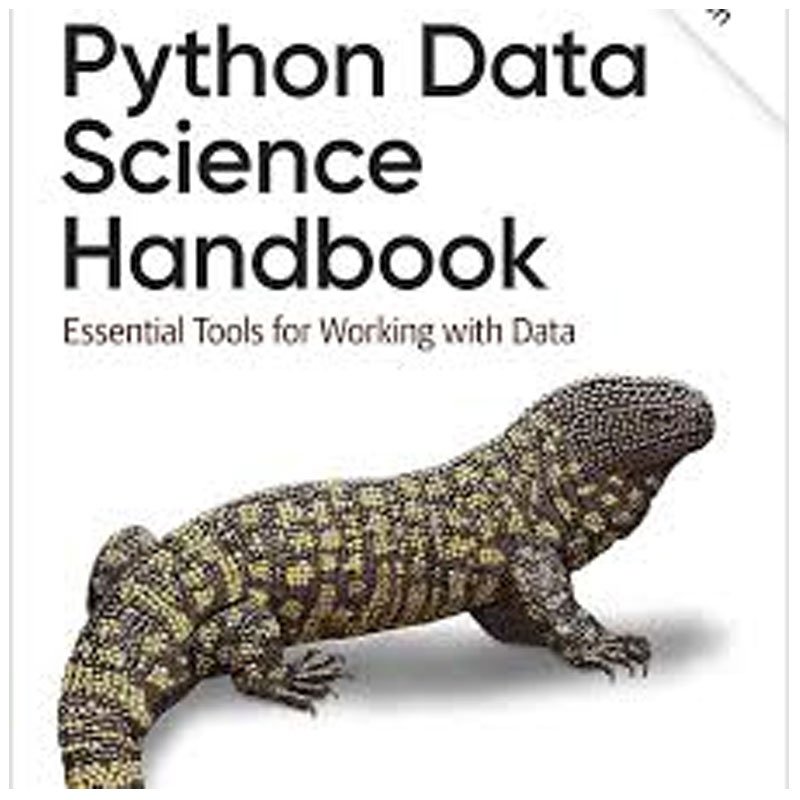
Description
Python has become a go-to tool for researchers, largely thanks to its powerful libraries that make it easy to store, process, and extract insights from data. While there are many resources covering individual parts of the data science ecosystem, the updated Python Data Science Handbook (2nd Edition) brings everything together in one place—covering IPython, NumPy, pandas, Matplotlib, Scikit-Learn, and more.
This edition is especially useful for scientists, analysts, and anyone comfortable with Python who needs a reliable reference for everyday data tasks. It walks you through handling and cleaning data, transforming it into useful formats, visualizing different datasets, and building statistical or machine learning models. In short, it’s a solid all-in-one guide for doing scientific computing with Python.
With this handbook, you’ll understand how:
IPython and Jupyter create interactive computing environments for Python users
NumPy uses the ndarray structure for fast and efficient handling of large data arrays
pandas provides the DataFrame for working with structured, labeled data
Matplotlib allows you to create a wide variety of data visualizations
Scikit-learn helps you implement key machine learning algorithms in a clean and efficient way


Reviews
There are no reviews yet.